

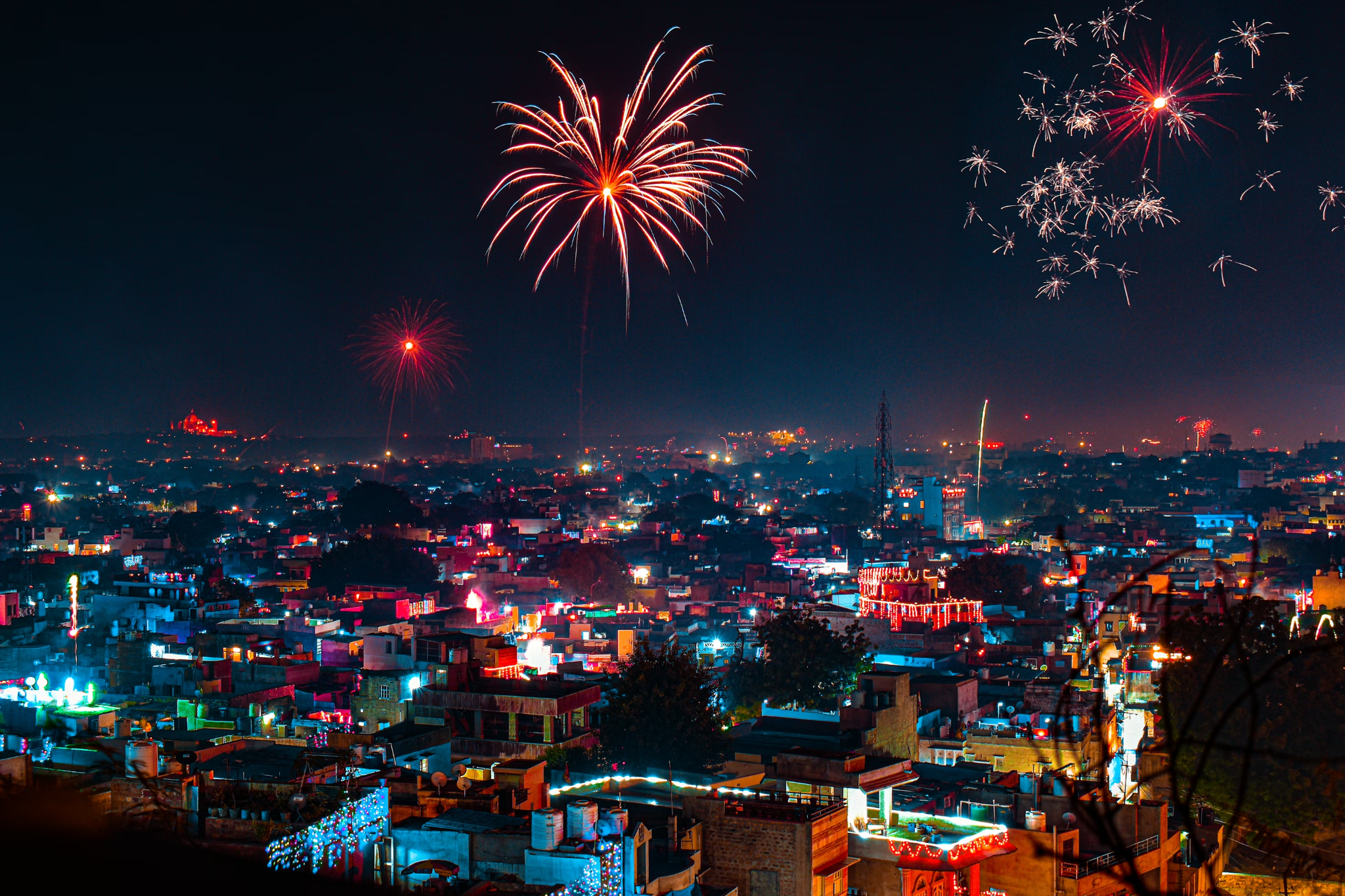
India stretches across deserts, forests, and crowded coastlines, yet regional festivals weave an invisible thread that holds such variety together. Each celebration turns ordinary streets into living museums where dance, costume, and food preserve stories that textbooks struggle to capture. Long after the final firework fades, memories cling to songs, recipes, and rituals that anchor identity.
Much like the instant thrill promised by casino slots, a sudden drumbeat or burst of color during a village procession can seize attention in seconds, locking local legends into public imagination. The excitement may pass quickly, but curiosity remains, encouraging repeat visits and deeper interest in the roots of each tradition.
More Than Entertainment, a Community Lifeline
A festival often begins months before the first lamp is lit. Farmers store the best harvest for communal feasts, artisans carve brass lamps, and weavers dye cloth in family courtyards. Preparation knits households into wider networks, turning neighbors into collaborators. When the big day arrives, cooperation is already embedded in practice, reminding participants that heritage survives through teamwork.
Snapshot of Iconic Regional Festivals
- Gudi Padwa (Maharashtra)
Colorful flags rise on bamboo poles, announcing a new year that calls for sweet jaggery dishes and door-to-door blessings. - Pongal (Tamil Nadu)
Fresh rice boils over clay pots at dawn while kolam art blooms on dusty thresholds, praising both sun and soil. - Losar (Arunachal Pradesh and Ladakh)
Monasteries echo with cymbals, and masked dances retell mythic battles between spirits of darkness and guardians of light. - Onam (Kerala)
Snake-boat races slice through backwaters, and giant floral carpets welcome a legendary king said to visit each household. - Hornbill (Nagaland)
Warrior log drums shake hillsides, and tribal fashion shows stitch ancient motifs into modern cut, proving culture can flex without bending.
The list above barely scratches the surface; still, it reveals how geography shapes ritual. Coastal ceremonies lean on water sports, high-altitude gatherings focus on fire and dance, and plains festivals showcase agriculture. Variety itself becomes a unifying symbol.
A short pause after so many vibrant details lets the mind absorb scents of sandalwood, the clang of temple bells, and the taste of banana-leaf curries that travelers describe with wonder.
Economic Echoes Reach Far Beyond the Parish Boundary
Tourist arrivals spike around festival calendars, injecting funds into transport, lodging, and street markets. Local entrepreneurs respond with themed homestays, craft workshops, and guided walks. In return, visitors carry souvenirs and stories back home, expanding demand for handmade goods throughout the year.
Investing income in heritage restoration creates a positive loop. Revenue from festival seasons repairs temple murals, restores village wells, and funds language schools that teach endangered dialects. Tradition thereby moves from distant nostalgia into practical livelihood.
Five Enduring Lessons Regional Festivals Teach Modern Society
- Shared work builds social trust
Collective cooking, decorating, and fundraising cultivate a habit of mutual reliance valuable in every civic project. - Artistry thrives on local materials
Coconut leaves become puppets, rice paste becomes street art, and bamboo turns into musical instruments. Sustainability grows naturally. - Ritual keeps history audible
Oral chants pack centuries into rhyme, ensuring past battles, migrations, and alliances never fade from memory. - Seasonal timing protects ecology
Ceremonies aligned with sowing or harvest promote diverse crops and respect natural cycles. - Joy attracts learning
Tourists and younger generations approach tradition through fun first, scholarship second, guaranteeing continuity without compulsion.
Gaps between these bulleted insights and surrounding paragraphs prevent list fatigue, maintaining smooth rhythm for the reader.
Digital Amplification Without Dilution
Smartphone cameras now stream devotional dances across continents. Some critics fear dilution when ancient chants meet trending hashtags. Evidence from grassroots groups suggests the opposite. Live broadcasts often motivate diaspora communities to donate toward temple maintenance or tribal museum projects. Hashtags rally volunteers for clean-up drives after celebrations conclude, turning virtual applause into action on the ground.
Yet guardians remain cautious. Village elders regulate filming of sacred rites, permitting only sections meant for public viewing. This careful gatekeeping demonstrates that technology can serve culture when respect guides usage.
A Path Forward
Urban migration continues to pull youth away from ancestral homes, but festival seasons often trigger return trips that reinforce belonging. City-based professionals donate skills in marketing, logistics, and design, refreshing traditions rather than replacing them. Cross-pollination ensures songs about rivers still resonate in concrete apartments, and recipes cooked over gas stoves retain flavors of wood-fired origins.
Scholarships now support researchers who document lesser-known fairs in remote districts. Interactive archives give future storytellers raw material to reimagine folklore through film, animation, or theatre. Preservation no longer means static exhibition; it means dynamic reinvention guided by community voices.
Conclusion
Regional festivals in India operate like beating hearts, pumping cultural stamina into villages, towns, and sprawling metros alike. Each rite delivers a compact message: identity stays alive only through shared performance and eager adaptation. As long as drums echo at dawn on Gudi Padwa, as long as boatmen chant during Onam races, and as long as highland horns greet Losar sunrise, local heritage remains more than a museum piece; it remains a lived experience, evolving yet rooted. Near or far, audiences drawn first by spectacle soon discover deeper layers of language, craft, and memory, ensuring that the next generation inherits not just stories, but the vibrant stage on which those stories continue to unfold.
